Method

Why our system is different

I am going to explain what we do, so you can see why our system is different from other courses. And I will keep it simple and not too technical.

Three pillars

The first thing to understand is that there are many ways to teach, just as there are many ways to raise a child, or even a dog.

There are many ways to raise them without causing harm. And then there are those who believe physical punishment is the best way.

Just because a professional says so, you are not going to beat your child or your dog, are you?

Well, something very similar happens when you want to learn Spanish...

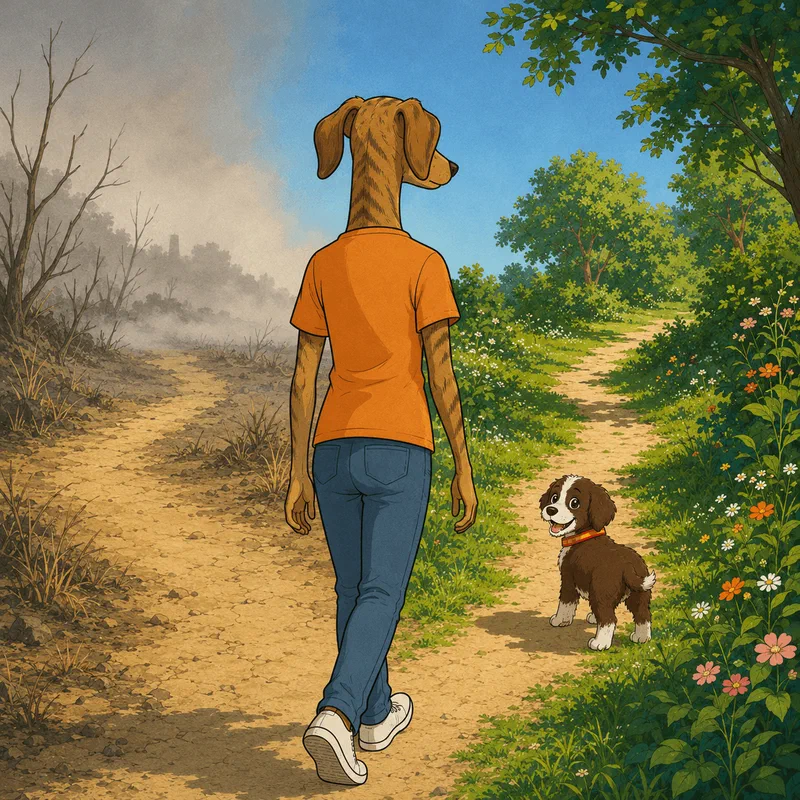
Mónica's dog choosing the green path at a fork in the road

There are many ways to learn, but not all of them work.

In fact, the hardest part is finding the method that helps you learn quickly without thinking about grammar.

With that in mind, at Cultuñol we try to find the best path to speaking Spanish.

Because your goal is to be able to speak as soon as possible.

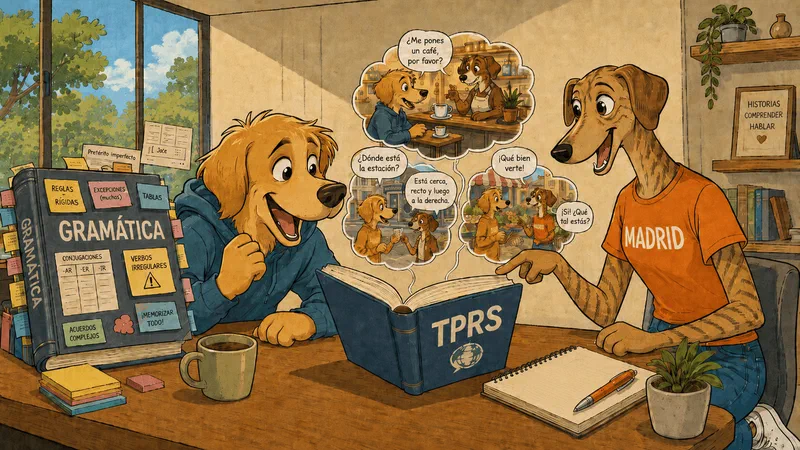
A dog reading a TPRS book surrounded by stories
01

TPRS(Teaching Proficiency through Reading and Storytelling)

This is the technique every Cultuñol teacher must know to be here.

It helps you become fluent and remember grammar, without rote drilling, in record time.

The idea is that, through stories and repetition, you acquire the vocabulary, fluency and structures you need to speak.

Not many teachers use this technique, but it is fascinating because you also use your creativity and it is highly personalisable.

Thanks to this method, people with learning difficulties have been able to remember things and use them. So imagine how fast you could learn if you are a quick learner.

In fact, one student who now lives in Spain and rarely has the chance to be in contact with Spanish has managed to talk to doctors and delivery drivers, with enough basic communication to do everything necessary.

If you want to know a bit more: TPRS was created by a US teacher while working at a secondary school. He was told he had to be more dynamic or he would be fired. He started researching teaching methods, what worked and what didn’t, and created his system.

It was born to teach teenagers, but it works for children and adults alike. At Cultuñol we have created our own, more adult style to better engage this audience.

If you want to know whether this technique can help you, get in touch and we will give you a personalised assessment.

Contact us

Mónica's dog looking through a window that divides day from night
02

Cognitive Grammar

This grammar is fascinating. A professor at Columbia University has devoted his career to making Spanish grammar make sense without so many lists and exceptions.

Thanks to him we now know why the subjunctive has two worlds, when to use ser or estar and why we use verb tenses the way we do.

At a basic level this doesn’t matter, but as your level rises and your Spanish improves, knowing these things helps you understand subtle points and, above all, use the subjunctive like a native.

If you want to know whether this technique can help you, get in touch and we will give you a personalised assessment.

Contact us
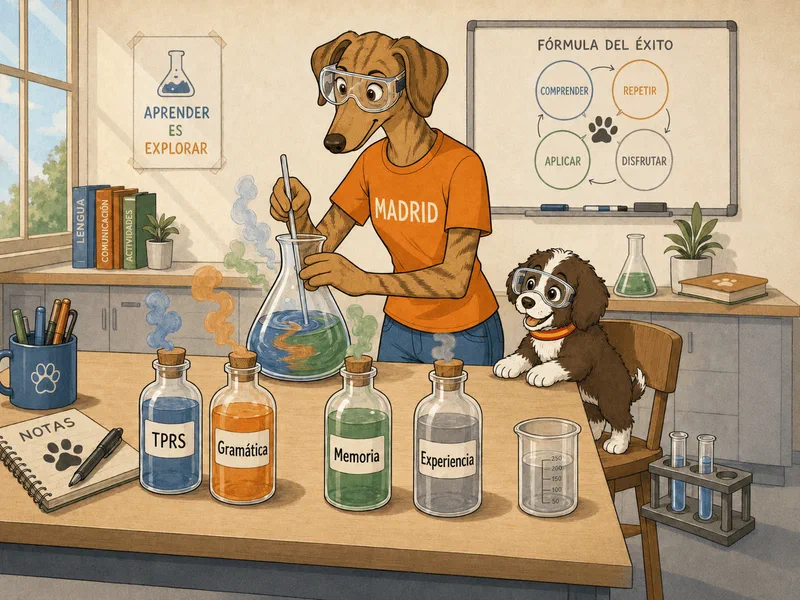
A laboratory with the formula for the Guau Method
03

¡Método Guau!

This method is exclusive to Cultuñol. It combines TPRS, cognitive grammar and our years of experience teaching Spanish to people of different countries, languages, ages, backgrounds and difficulties.

What is the “Guau method”? It is a method that:

  • Respects each student's differences.
  • Helps build fluency.
  • Works on long-term memory.

If you don't know what you need, get in touch and we will give you a personalised assessment.

Contact us

¡Método Guau!

Why is it called the “Guau Method”?

¡Guau!

In Spanish, guau means “amazing” or “cool”, depending on the context. That is the effect I want my classes to have.

Guau guau

Guau is also what dogs say in Spanish. Not woof or anything like that. They say “guau”.

Not available yet

Subscribe to the newsletter and you will be the first to hear about every new service.

Subscribe